Detectors I own + some brief thoughts about them. Some detectors may have there own pages associated.
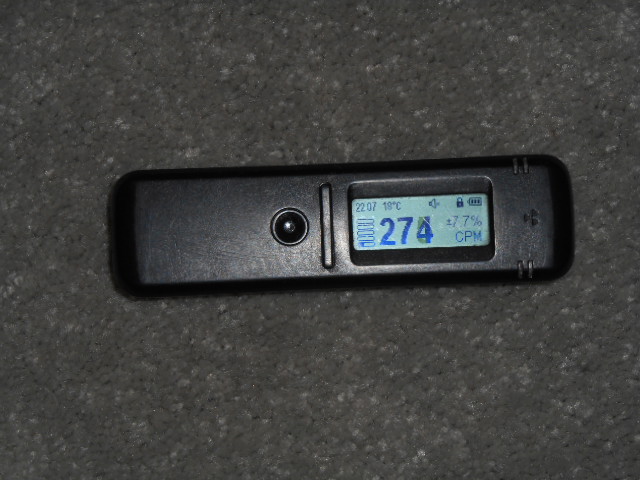
Radiacode
The radiacode 10X has quickly become one of the most popular detectors for hobbyists. While remaining at a reasonable price, it uses scintillation rather than a G.M. Tube, allowing for gamma spectroscopy. Basically, you can use it to determine what radioactive element you are measuring, given that the activity is high enough and/or you have enough time. It has some flaws, such as poor EMF shielding, but it is overall a killer device for the price point. If you like the idea of spectroscopy, but aren't stoked about buying from a Russian company, look into the Raysid or AlphaHound.
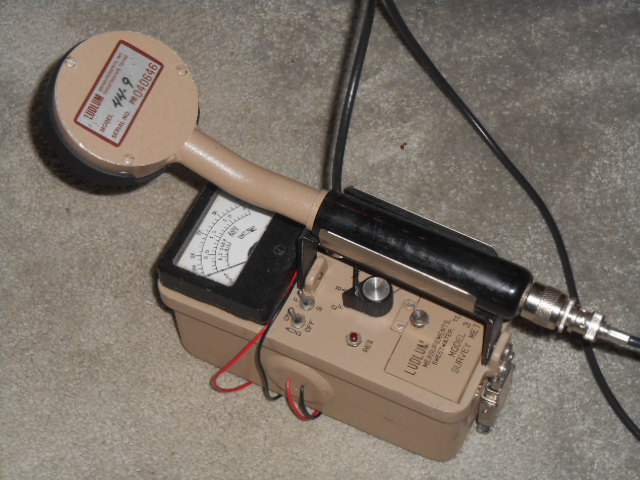
Ludlum Model 3
Commonly paired with a 44-9 pancake probe, the Ludlum model 3 is one of the most frequently mentioned detectors for those getting more "into" the subject of radiation. Its reliability and massive number of probes are its main selling points. Ludlum customer service is also great, and will help you out even if you picked it up second-hand (like I did.) The device is basically a brick and is completely analog. I'm currently working on a project to add some more modern features- Stay Tuned!
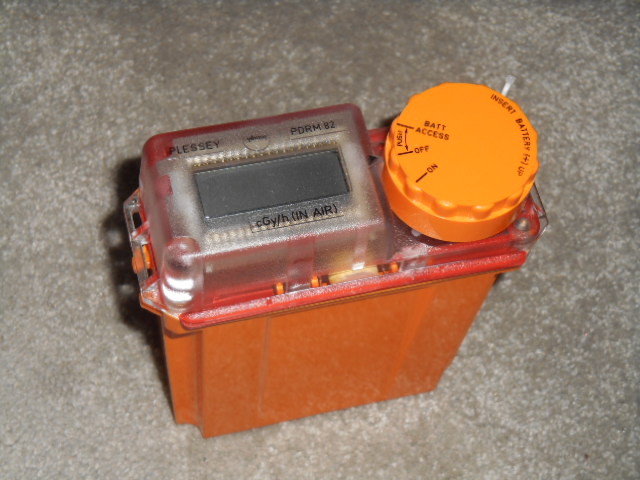
Plessey PDRM82
I picked up this detector off eBay because I thought it looked neat, and it was pretty cheap. This is a "Shit's fucked" detector, as in, if you can get a reading, something has gone wrong. It measures in centi-gray- 1 cGy is roughly equivalent to 10 mSv. I believe that the tube has a radioactive check source incorporated that tests itself. Once it decays enough, it might stop turning on. I think I could get around that by holding another source next to it during power-up? Who knows...
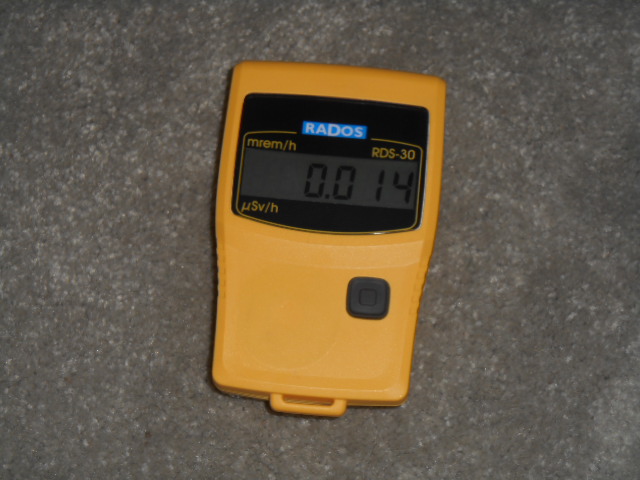
Rados RDS-30
This one was a cheap FB marketplace find. I'm super stoked about it, because they command a high price on most platforms, and I found it for less than $100. It is energy compensated, meaning that, despite being a G.M. Tube, the dose rate it reports should be accurate when measuring different radioisotopes.
BR-6
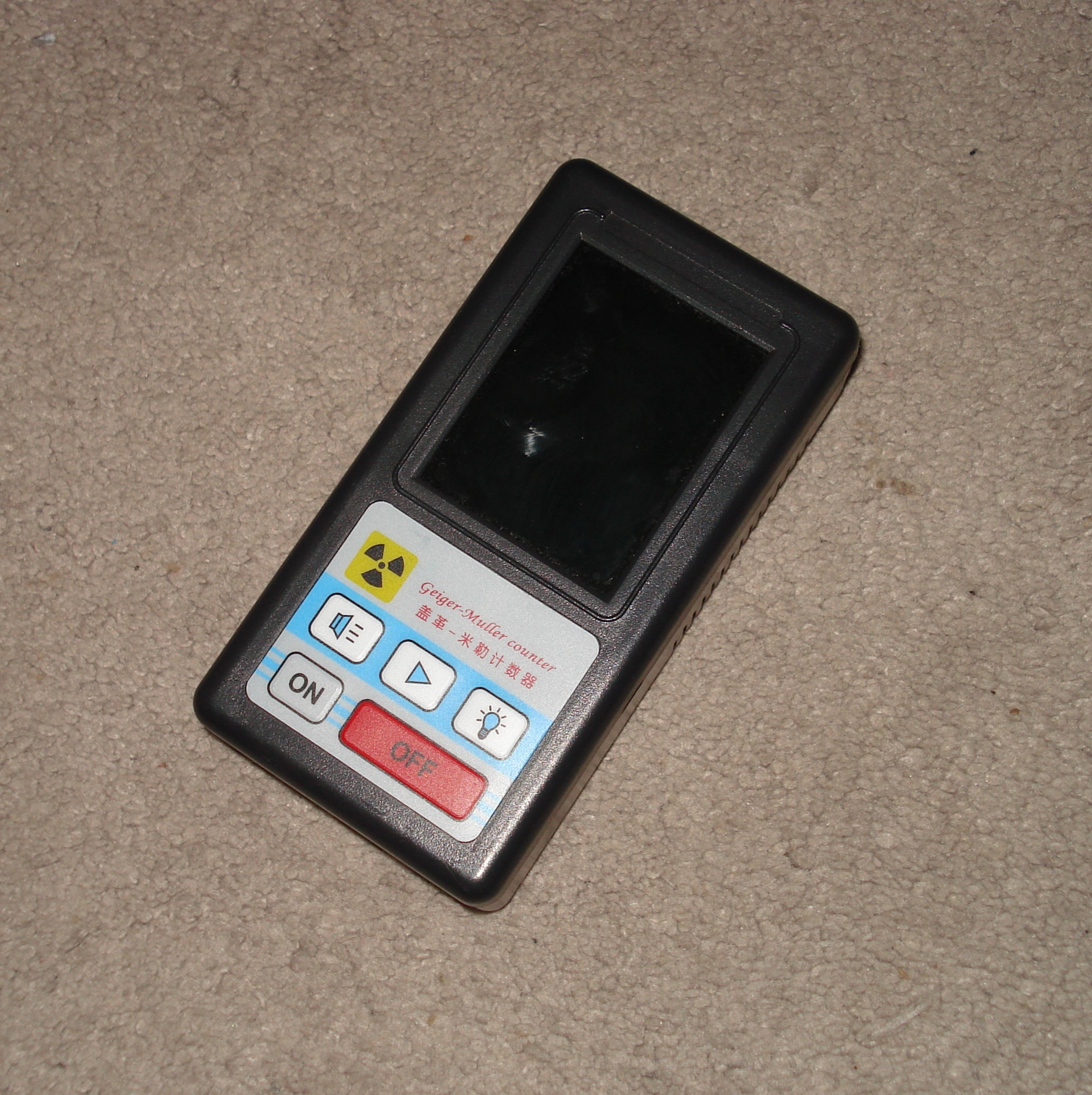
This is a cheap Chinese detector. I got it off aliexpress when I first started getting into uranium glass, and wanted to try to confirm if some items were uranium. It's all around pretty bad, but it does detect radiation and is cheap. If you just needed something to confirm whether a clock was radium or not for >$50, this would work.
FSZ03
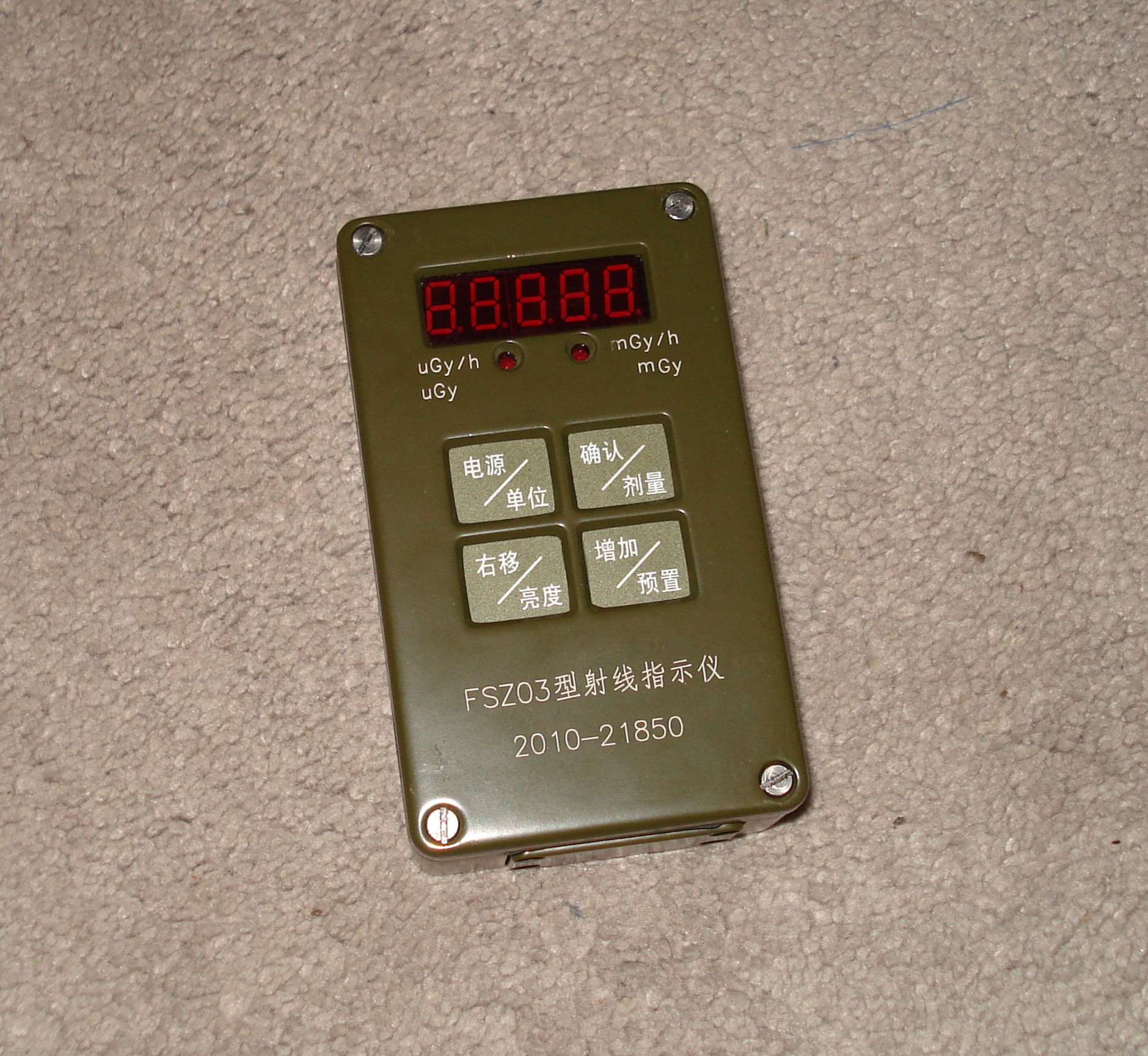
This is another cheap Chinese detector. I can't find much about it online. I bought it off of superbuy, from Xianyu. There are actually a lot of decent and interesting detectors on Xianyu for good prices. My Canberra MRAD and Chinese Type-70 detector came from the same site. Functionality is limited on this detector, but it is built out of metal and feels rugged. I may dedicate a page to it once I get around to scanning in it's manual.
Type 70
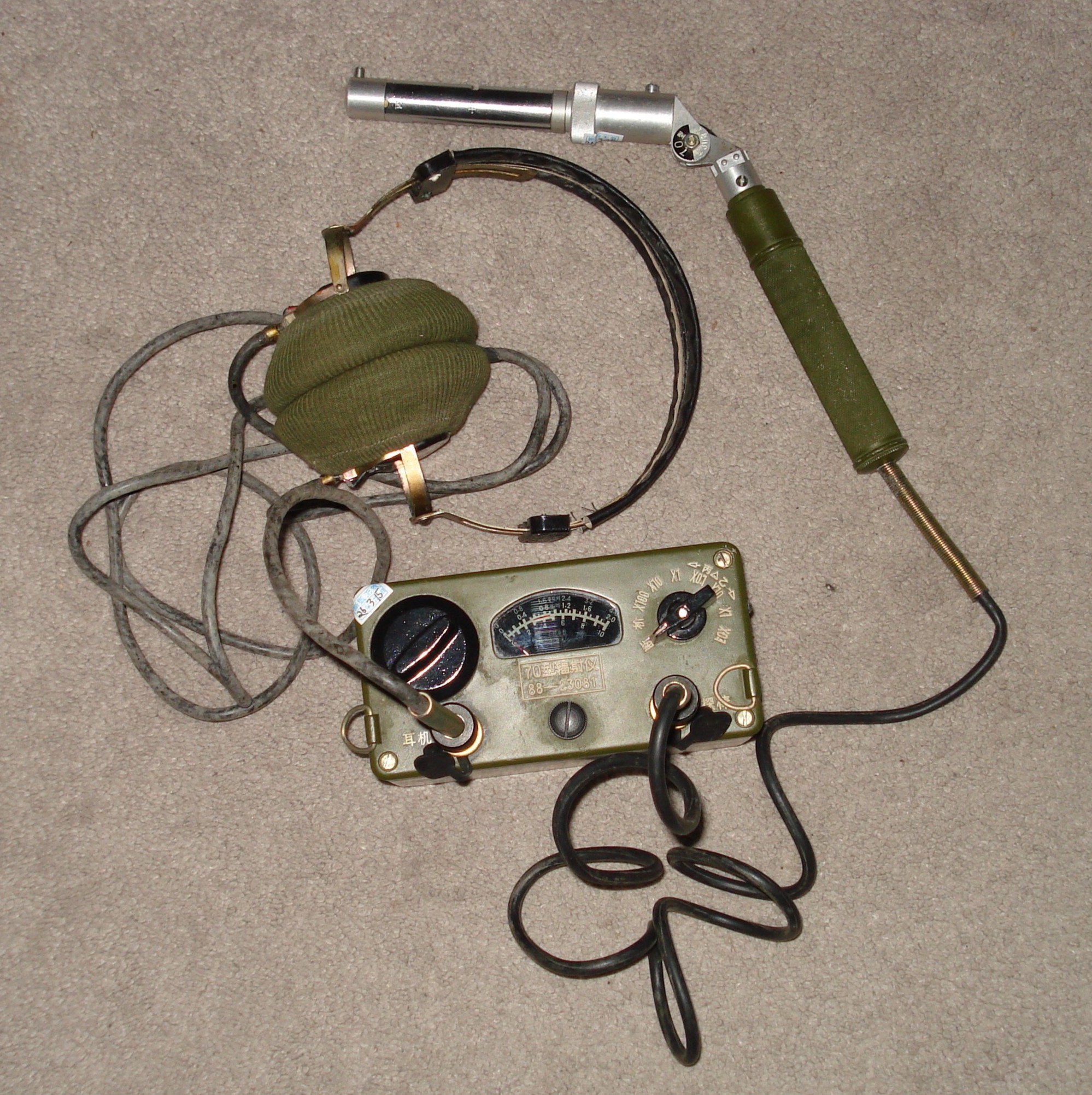
Mystery detector! I can't find anything about this online. I have it, and it works though! From what I understand, the meter has integrated high-range tubes, along with the external probe. Nothing I own makes the needle budge when the meter is set to high-range. The external probe is decently sensitive. The unit does not have a speaker, but does have fun headphones. The probe has an interesting rotating shield used to attenuate beta radiation depending on what kind of measurement you are taking. I may also dedicate a page to this meter, as I have an manual I should scan and upload for it.
Canberra MRAD 113
Similar to the Rados. Built sturdy, energy compensated G.M. tube. This meter is regarded pretty highly I think, and it works well.